
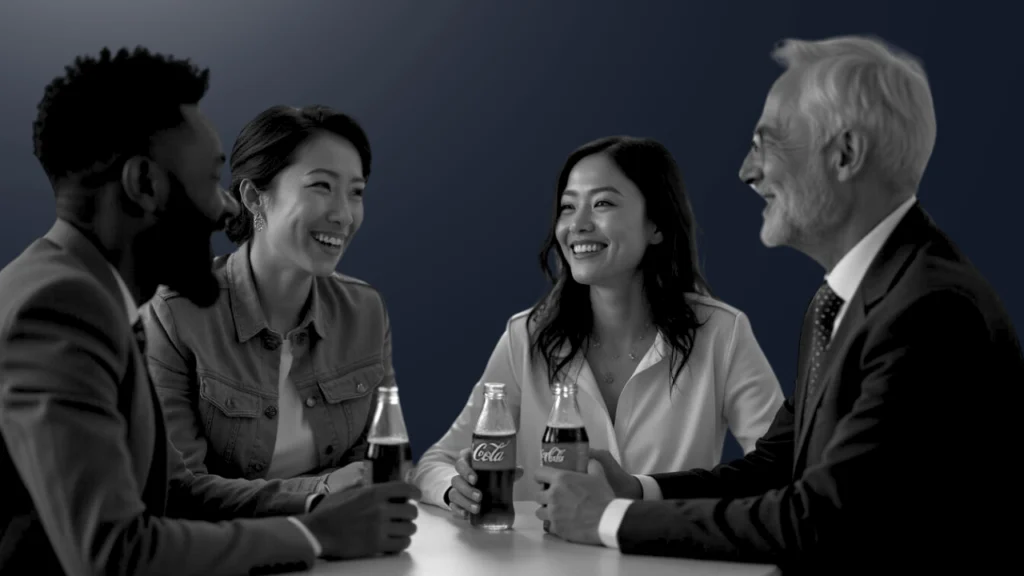
By the early 2010s, younger generations were drinking less Coca-Cola. Concerns about sugar, a shift towards healthier lifestyles, and the rise of alternatives like bottled water and energy drinks were pushing traditional soft drinks to the sidelines. For a brand that had long been synonymous with happiness and refreshment, this was a serious challenge. Sales had been steadily declining, and consumer perception was shifting—Coke was beginning to feel outdated.
Coca-Cola needed to reconnect with young adults, particularly millennials and gen Z, who were increasingly disengaged. But how do you make a century-old product feel fresh and exciting again?
The answer was the Share a Coke campaign—a marketing masterstroke developed in collaboration with Ogilvy Australia. By turning a simple bottle of soda into a personal, shareable experience, Coca-Cola created an emotional connection with consumers that reignited excitement. The results were staggering: the campaign ran in over 70 countries, increased young adult consumption by 7% in Australia, and boosted overall sales transactions by 3% in key markets. It proved that even an iconic brand can reinvent itself by adapting to consumer behaviour with the right creative strategy.
A simple yet genius idea
In 2011, Coca-Cola launched a campaign in Australia that replaced its iconic logo with 150 of the country’s most popular first names. The message was clear: this bottle is made for you. Instead of just drinking a Coke, people were encouraged to Share a Coke with friends and family, turning the product into a social experience.
The response was immediate and overwhelming. In a country of just 23 million people, over 250 million personalised bottles and cans were sold that summer. Not only did sales increase, but the brand also saw a 7% uptick in consumption among young adults—a demographic that had been slipping away.
Coca-Cola’s brand perception also improved significantly. Prior to the campaign, young consumers saw Coke as an outdated, mainstream soda. After the campaign, it became a must-have social accessory.
Why it worked
1. Personalisation creates stronger connections
A Coke bottle is just a Coke bottle—until it has your name on it. By featuring common names, Coca-Cola transformed a global product into something deeply personal. This small change triggered a sense of ownership and exclusivity, encouraging consumers to find their names and those of their loved ones.
Lesson: Personalisation makes customers feel valued and seen. Whether through custom packaging, tailored recommendations, or interactive experiences, brands that make products feel unique build stronger emotional connections.
2. Turning consumers into advertisers
One of the campaign’s biggest successes was its built-in virality. People weren’t just buying Coke—they were searching for names, sharing bottles with friends, and posting photos on social media.
In the first year alone, the campaign generated:
- More than 500,000 social media posts featuring #ShareACoke
- An 870% increase in Coca-Cola’s Facebook traffic
- A 3% rise in sales transactions in key markets
Coca-Cola didn’t need to push traditional ads—consumers were doing the marketing for them.
Lesson: The best marketing campaigns aren’t just about selling a product—they create experiences that people want to share. In today’s digital age, brands that encourage user-generated content can achieve massive reach without massive ad spend.
3. More than just a drink
Seeing your name on a Coke bottle is a small but powerful moment. It taps into a fundamental human desire: the need for recognition and connection. By encouraging people to Share a Coke, the campaign wasn’t just selling a product—it was selling friendship, nostalgia, and togetherness.
Lesson: People don’t just buy products; they buy feelings and experiences. Successful brands go beyond functionality to create emotional resonance.
4. Localisation made a global campaign feel personal
After the incredible success in Australia, Coca-Cola expanded the campaign to over 70 countries—but with a key adjustment: names were tailored to each region.
- In the UK, they included nicknames like “mate” and “bestie.”
- In China, where personal names are less commonly used in marketing, they featured affectionate terms like “close friend.”
- In India, they incorporated names and titles that resonated with local culture.
This customisation ensured that the campaign felt relevant everywhere it launched.
Lesson: Global brands thrive when they balance consistency with cultural relevance. What works in one country may not work in another—adaptation is key.
Lessons for every business
Coca-Cola’s Share a Coke campaign wasn’t just a clever marketing stunt—it was a case study in modern branding. It proved that even a legacy brand can reinvent itself by understanding consumer psychology and evolving with cultural shifts.
Here’s what businesses can take away from Coca-Cola’s success:
✅ Personalisation builds strong consumer relationships – Find ways to make your customers feel special through customisation and tailored experiences.
✅ Social sharing amplifies brand reach with minimal effort – Encourage customers to create content around your brand.
✅ Emotional marketing fosters brand loyalty – Connect with your audience on a deeper level by selling experiences, not just products.
✅ Localisation makes global campaigns more effective – Adapt your messaging and branding to fit different cultural markets.
Ultimately, branding isn’t just about selling a product—it’s about creating connections. And when people feel connected to a brand, they don’t just buy it. They share it.